
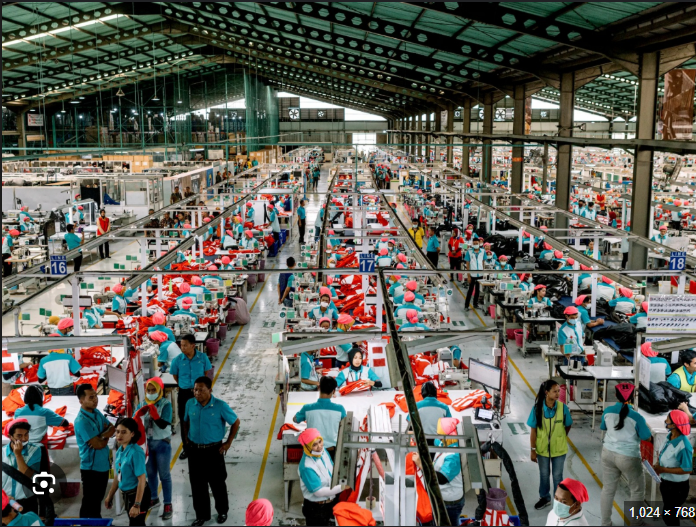
With a global market of trillions, the clothing industry touches every corner of the world from a luxury house to fashion market retailers in emerging market, from sustainable textile producers to thrift store entrepreneurs. In 2025 the idea to dominate this industry you need to have creativity and conscience. Customers wants the cloths that not only make them good but also align with their social responsibility and technological innovation understanding the latest trend in 2025 requires us to explore how brand, designers and consumer re shaping the clothing industry
With a global market of trillions, the clothing industry touches every corner of the world from a luxury house to fashion market retailers in emerging market, from sustainable textile producers to thrift store entrepreneurs. In 2025 the idea to dominate this industry you need to have creativity and conscience. Customers wants the cloths that not only make them good but also align with their social responsibility and technological innovation understanding the latest trend in 2025 requires us to explore how brand, designers and consumer re shaping the clothing industry
Table of Contents
The Rise of sustainability and Clothing Industry
If there is one trend that defines the clothing industry in 2025, it is sustainability. From long time industry faces a criticism for being one of the largest polluters in the world .Production of textile consumes too much water and generate much chemical waste and creates mountains of discarded garments that end up in landfills. Fast fashion with its rapid cycles and low cost garments ,has fueled a culture of overconsumption and waste . By 2025 however it losses both consumers and producers turn toward eco friendly .
Eco-friendly fabrics dominate the 2025 clothing industry. organic cotton, hemp , bamboo and lab grown leather are widely used, replacing resource intensive or animal based products . innovations in bio technology have introduced bio fabricated textiles such as spider silk and mushroom based leather , that are both durable and sustainable. dyeing processes , historically a major polluting activity are being reinvented with waterless and plant based techniques
New generation of shoppers ,especially Gen Z and Gen Alpha , prioritize sustainability in their purchases decisions. they want they want transparency in supply chains, proof of ethical labors practices and guarantees that their clothing choices will not harm planet. this consumer activism is pressuring even the largest fast fashion companies to rethink their practices. sustainability is no longer a niche- it is the new standard
Technology and Digital Clothing
Another major trend in clothing industry in 2025 is the rapid extension of resale and thrift culture. once associated with budget, second hand clothing has now became main stream, fashionable , and even prestigious. Platform like Depop , poshmark, and thredUp have gained millions of users, while traditional retailers bare launching their own resale divisions
The popularity of thrift fashion the popularity of thrift fashion is fueled by sustainability as well as affordability. consumers are increasingly aware of the environmental costs of buying new clothes and find joy in giving a pre owned garments a second life. Vintage fashion has became particularly trendy ,with younger generation appreciating unique , retro pieces that stands out in a world of mass production.
Alongside resale , rental fashion has gained momentum .Instead of buying expensive outfits for one time events customer prefer renting them through the platforms that provide high quality garments for a for a fraction of cost. this model reduces waste and gives consumers access to luxury brands they might not otherwise afford. In 2025 clothing rental services is not for just weddings and parties-they are widely use for workwear , travel wardrobes and seasonal clothing
This culture shift has forced traditional fashion houses to embrace and resale and rental rather than dismissing them. luxury brands that once resisted resale are collaborating with resale platforms or launching in house certified pre owned programs. This ensures they maintain brand control while tapping into growing market
Inclusivity and Diversity in clothing
In 2025, the clothing industry is more inclusive and diverse than ever before. the tradition beauty standards that dominated fashion runways for decades have given way to broader representation of body types, ethnicities , genders and abilities. Inclusivity is no longer optional- it is demanded by consumers and embraced by brands
Size inclusivity has became a key priority. Clothing lines are expanding their size ranges , ensuring that plus size , petite ,tall and adaptive fashion are widely available . Adaptive fashion, designed for people with disabilities or specific medical needs, is becoming mainstream ,offering functional yet stylish clothing for everyone
gender neutral clothing is another defining trend. As conversations around around gender identify evolve, many consumers prefer clothing in transcends traditional male and female categories. Brands are responding them with collections that are versatile, comfortable and designed for all .This shift also reflects cultural movements towards acceptance and equality
Representations in advertising and fashion shows has expanded dramatically. models from diverse racial, cultural and social backgrounds are celebrated , and campaigns increasingly feature real people rather than airbrushed perfection. This authenticity resonates with modern consumers , who want to see themselves reflected in the clothing that they wear.
Inclusivity also extends to affordability. many brands recognizing that fashion should not be limited to elites . They are offering quality clothing at fair prices without compromising ethical standards . the democratization of fashion is reshaping the industry into one that serves all segments of society.
Personalization and Customization
Another defining trend in the clothing industry in 2025 is personalization . Consumers no longer want to be part of a crowd that wear identical styles .Instead, they seek garments that reflect their individuality. Advantages in technology, particularly AI and 3D printing , have made customization more accessible than ever
Many brands now offer personalized shopping experiences where customers can select fabrics , colors and designs tailored to their tastes . some companies go further, using body scanning technology to create perfectly fitted garments. This trend is reshaping the concept of ready to wear by moving toward made to order models that minimize waste and maximize customer attraction
customization also extends to the online shopping journey. algorithms suggest clothing based on browsing history, style preferences and even social media activity. personalized recommendations create a stronger between consumers and brands while improving sales conversions. As a result, clothing in 2025 is not just mass produced – it is deeply personal reflecting the unique identify of each consumer
E-commerce and Digital Dominance
The rise of e-commerce has redefined the clothing industry and by 2025 it has became the dominant retail channel. online shopping once considered secondary to in store experiences is now the primary way to people buy clothing the pandemic accelerated this shift, and even as a physical store opened digital platforms continue to lead the way
E commerce platforms are no longer limited to simple catalogs. They are immersive experiences enhanced by AR try-ons, 360 degree product view and AI powered styling suggestions social commerce shopping directly from platforms like instagram, Tik tok and Pinterest has grown rapidly especially among young consumers influencer marketing remains a powerful driver creating authentic connections between brands and audiences
Challenges Faced By The Clothing Industry
While the clothing industry in 2025 is full of innovation and opportunities , it also faces significant challenges. The most pressing of these environmental sustainability. Despite progress ,the industry remains one of the largest polluters. Addressing issues like textile waste, water consumption, and carbon emissions requires continuous innovation and regulation
link : daksh
Go to Home
